Anti-Hair Fall Shampoo: Does It Really Work? (And How to Choose the Right One)
Anti-Hair Fall Shampoo: Does It Really Work? (And How to Choose the Right One)
I wash my hair, and clumps fall out in the shower.
If this sounds familiar, you’ve probably searched for the best anti-hair fall shampoo. And you’re not alone. The anti-hair fall shampoo market is worth billions — but do these shampoos actually work?
Let’s break it down honestly and simply.
What Does an Anti-Hair Fall Shampoo Actually Do?
First, let’s be clear: No shampoo can completely stop hair fall if the cause is internal (like hormones, genetics, or severe nutritional deficiency).
But a **good** anti-hair fall shampoo can:
Cleanse your scalp without damaging hair follicles
Reduce inflammation on the scalp
Strengthen existing hair so it breaks less
Remove DHT (a hair-loss hormone) buildup from the scalp
Improve blood circulation to follicles (if it contains caffeine or niacin)
Create a healthy environment for new hair to grow
What it cannot do: reverse baldness or regrow hair from dead follicles.
Key Ingredients to Look For in a Good Anti-Hair Fall Shampoo
Not all anti-hair fall shampoos are equal. Read the label. Look for these scientifically-backed ingredients:
| Ingredient | What It Does |
|————|—————|
|Caffeinn | Stimulates hair follicles, blocks DHT effects |
| Ketoconazole (1-2%) | Fights fungal dandruff, reduces inflammation, mild anti-DHT effect |
| Biotin | Strengthens hair shaft, reduces breakage |
| Saw Palmetto | Natural DHT blocker |
| **Niacin (Vitamin B3)** | Improves blood flow to scalp |
| **Zinc Pyrithione** | Controls dandruff and seborrheic dermatitis |
| **Rosemary Oil** | Natural circulation booster (equal to 2% minoxidil in some studies) |
| **Peppermint Oil** | Increases blood flow to follicles |
| **Sodium Lauryl Sulfate (SLS)-free** | Gentle cleansing without stripping natural oils |
Avoid these:Parabens, sulfates (SLS/SLES), silicones (like dimethicone), and artificial fragrances — they build up and clog follicles.
When Does Anti-Hair Fall Shampoo Actually Work Best?
An anti-hair fall shampoo gives **good results** in these cases:
1. Dandruff-Related Hair Fall
If your scalp is itchy, flaky, and inflamed — you’re losing hair because of fungal overgrowth. A shampoo with **ketoconazole or zinc pyrithione** will reduce dandruff and stop that type of hair fall within 4–6 weeks
2. Breakage, Not Root Fall
If your hair is snapping mid-length (not falling with white bulb at the end), a strengthening shampoo with **biotin, keratin, or protein** will reduce breakage significantly.
3. Oily Scalp with Clogged Follicles
Excess oil traps DHT and dirt around follicles. A clarifying anti-hair fall shampoo (used 2-3 times a week) can clean the buildup and reduce shedding.
4. Post-Pregnancy or Stress Shedding (Telogen Effluvium)
In these cases, the scalp needs a healthy environment. Mild anti-hair fall shampoos with **caffeine, rosemary, and niacin** support recovery — though proper nutrition is the real cure.
How to Use Anti-Hair Fall Shampoo Correctly
Most people use it wrong. Here’s the right way:
1Wet your hair completely with lukewarm water (hot water damages follicles).
2. Take a coin-sized amount more doesn’t mean better.
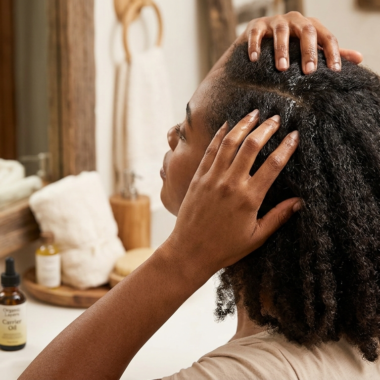
3. Massage gently into scalp for 2–3 minutes this is when ingredients work. Don’t just rinse immediately.
4. Let it sit for 2 minutes** before rinsing (read the label — some need 3-5 minutes).
5. Rinse thoroughly** with cool water to seal cuticles.
6. Don’t shampoo daily** — 3-4 times a week is enough. Over-washing strips natural oils and worsens hair fall.
7. Follow with a mild conditioner(on lengths only, not scalp).
Top Recommended Anti-Hair Fall Shampoo Types
| Your Hair Fall Type | Best Shampoo Type |
| Dandruff + hair fall | Ketoconazole 1% or Zinc Pyrithione shampoo |
| Oily scalp, thinning | Caffeine + Saw Palmetto shampoo |
| Dry, brittle, breaking hair | Biotin + Keratin + SLS-free shampoo |
| Sensitive scalp | Rosemary + Peppermint oil based (organic) |
| General mild shedding | Multi-ingredient anti-hair fall shampoo |
Realistic Expectations: What Results Can You See?
| Time | What to Expect |
| Week 1-2 | Cleaner scalp, less itching, hair feels stronger |
| Week 3-4 | Slightly less hair in shower drain (if dandruff or oil was the cause) |
| Week 6-8 | Noticeable reduction in breakage; scalp feels healthier |
| Week 12+ | Some new baby hairs if follicles were just clogged (not dead) |
If you see no improvement after 8-10 weeks of correct use, your hair fall is likely internal (hormones, thyroid, iron deficiency, genetics). Then you need supplements, diet changes, or a doctor.
Common Myths About Anti-Hair Fall Shampoos
Myth 1: “Expensive shampoos work better.”
Truth:No. Ingredients matter, not price. A $10 shampoo with ketoconazole works better than a $50 shampoo with perfume.
Myth 2:”More lather = more cleaning.”
Truth: Lather comes from sulfates (SLS), which can irritate and dry out the scalp.
Myth 3: “Shampoo alone can regrow hair on a bald spot.”
Truth:False. Once a follicle is dead (smooth shiny bald area), no shampoo can revive it.
Myth 4: “Daily shampooing stops hair fall.”
Truth: Over-washing weakens hair. 3-4 times a week is ideal.
Final Takeaway: Should You Buy an Anti-Hair Fall Shampoo?
**Yes, but with realistic expectations.**
– Buy one if:** You have dandruff, oily scalp, breakage, or mild shedding.
– Buy one if:** You want to support your overall hair care routine.
– Don’t expect it to:
Reverse genetic baldness, fix hormone imbalances, or cure severe nutritional hair loss.
Think of anti-hair fall shampoo as scalp skincare not a miracle cure. It cleans, protects, and strengthens, but it can’t grow hair from dead roots.
Use a good anti-hair fall shampoo to create a healthy scalp. But feed your hair from inside with good nutrition, sleep, and stress management.”
Quick Checklist Before Buying,
| Check ingredients for caffeine, ketoconazole, biotin, rosemary | Buy based on pretty packaging or celebrity endorsements |
| Choose SLS-free if you have dry or sensitive scalp | Expect results in 1 week |
| Massage for 2-3 minutes | Shampoo daily |
| Use 3-4 times a week | Ignore dandruff or scalp issues |
| Combine with good diet | Blame only the shampoo if hair fall continues |
Bottom Line
An anti-hair fall shampoo is a valuable tool not a magic wand. Use the right one for your scalp type, use it correctly, and combine it with internal health. That’s how you win the hair fall battle.